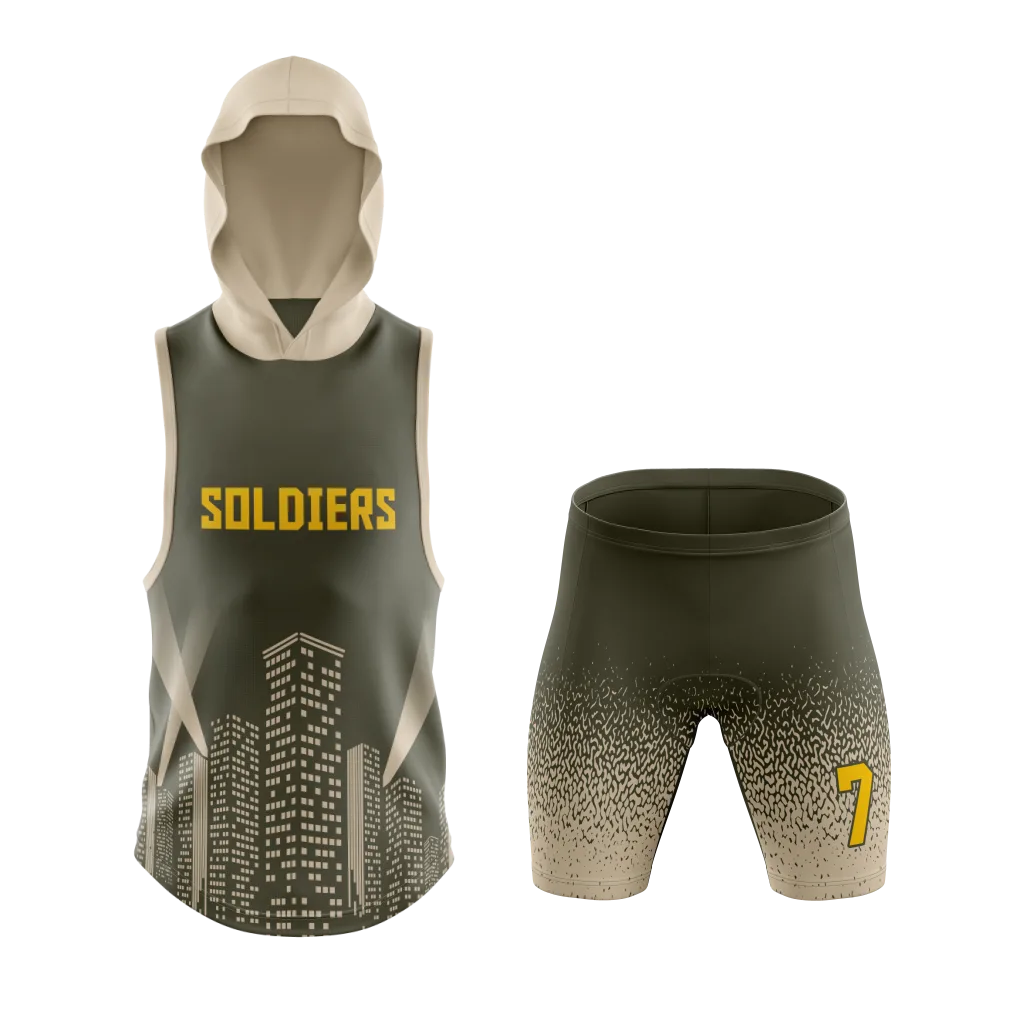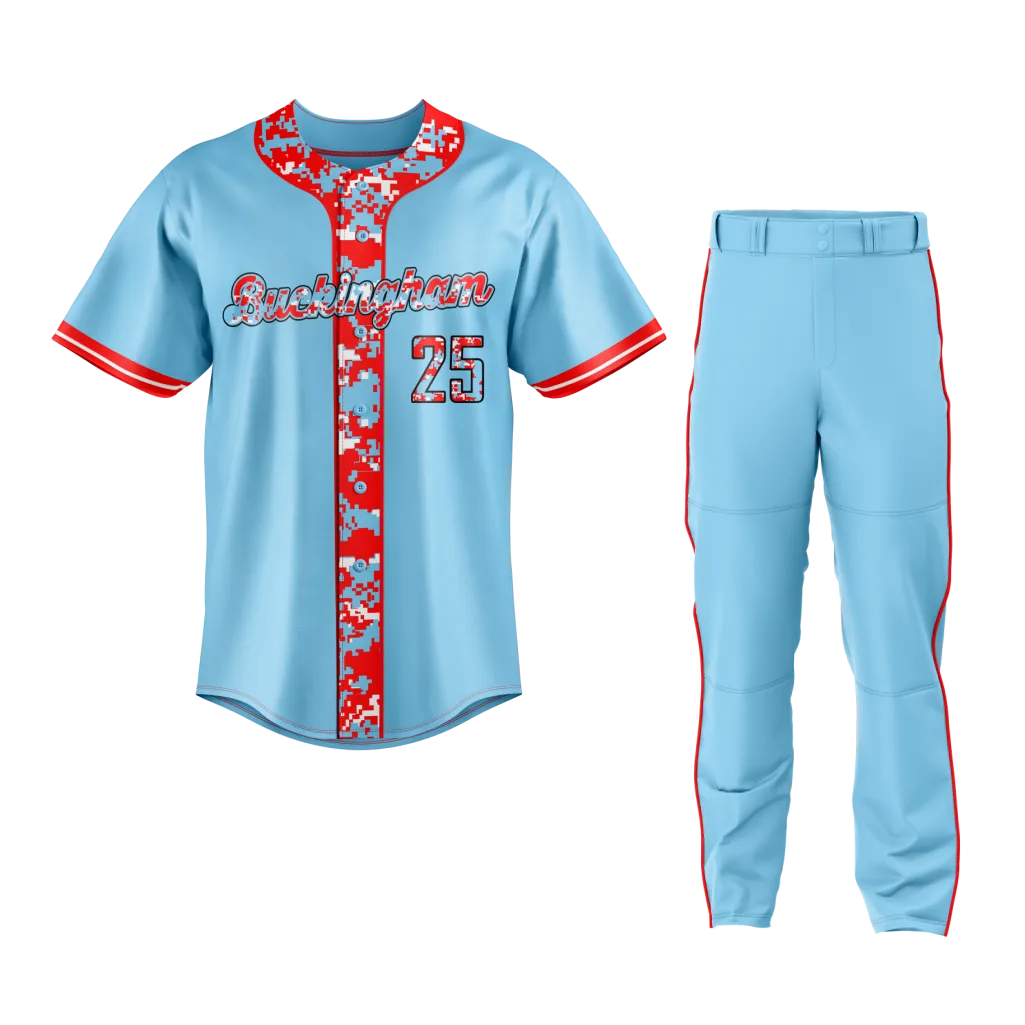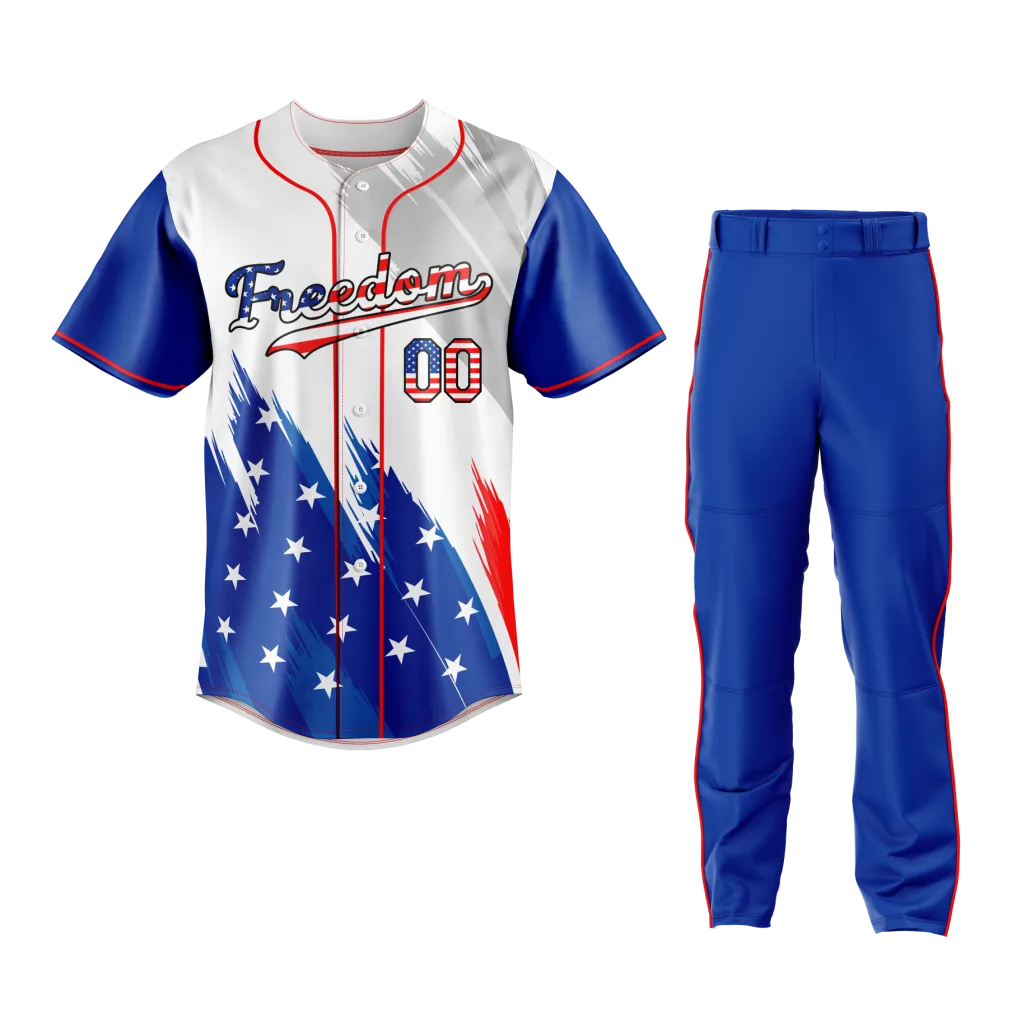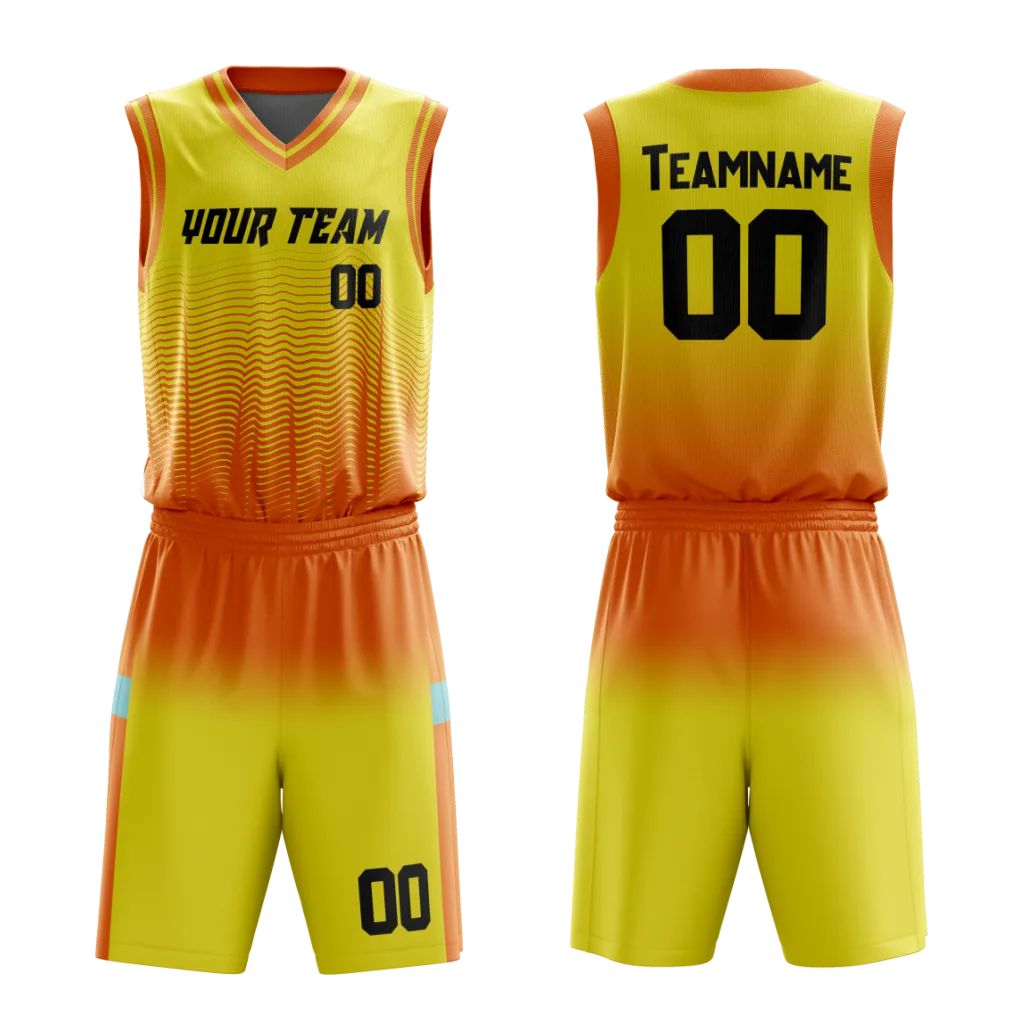
Ordering uniforms should be one of the exciting parts of preparing for softball season. But a team order includes more than choosing colors and adding a logo. Coaches often need to coordinate player sizes, names, numbers, pants, artwork approvals, payments, and a firm first-game deadline.
A simple process can keep everyone on the same page. Use this checklist when planning custom softball uniforms for a youth league, travel team, school program, or adult squad.
1. Start With Your Actual Deadline
Work backward from the day players need to wear their uniforms—not merely the first game on the calendar. Consider team photos, preseason tournaments, opening ceremonies, and any planned distribution day.
Ask your uniform supplier about its current production timeline before promising families a delivery date. Build in extra time for design revisions, size collection, shipping, and unexpected changes. A quoted turnaround should not be treated as a guarantee until the supplier confirms the order details.
2. Decide What Each Player Needs
Before requesting a quote, create a list of required items. Will every player receive a jersey and pants? Do coaches need matching shirts? Will the team also order socks, hats, hoodies, or practice apparel?
Separating essentials from optional extras makes it easier to compare packages and stay within budget. Also decide whether families will buy additional spiritwear separately or whether the team will place one consolidated order.
3. Choose a Consistent Team Design
Select your main colors, accent colors, team name, and logo before the design process begins. Share clear artwork files whenever possible, and identify any color that must closely match an existing uniform.
Think about visibility: will the player numbers stand out against the jersey? Are names readable from the stands? Does the design work on every size, including youth sizes?
If the team has home and away looks, specify which elements must remain consistent across both. Small decisions made early can prevent multiple rounds of revisions later.
4. Select the Jersey and Pants Styles
Softball teams have different preferences for fit and appearance. Discuss jersey necklines, sleeve lengths, and decoration options with your supplier. For pants, decide whether the team prefers a traditional or more tapered silhouette and whether players need different lengths.
Ask about the fabric’s feel, breathability, and care requirements rather than relying on a product photo alone. A uniform should support comfortable movement during fielding, throwing, running, and batting.
5. Collect Sizes Using the Supplier’s Chart
Avoid assuming a player’s usual retail clothing size will match a custom uniform. Request the supplier’s size chart and follow its measuring instructions carefully.
If the chart provides flat, one-sided garment measurements, remember that those numbers are not the full body circumference. Compare them with a well-fitting garment measured in the same way.
Where available, sample sizes or a size kit can help families make more confident selections. Give parents a clear deadline to submit sizes and establish who is responsible for confirming them.
6. Build One Accurate Roster Spreadsheet
Keep names, numbers, sizes, and quantities in a single master sheet. Useful columns include:
- Player name and jersey display name
- Jersey number
- Jersey size and pants size
- Pants style or inseam request
- Additional items and quantities
- Parent or coach confirmation
Check spelling and number assignments before sending the roster. If two players share a number, verify whether that is intentional. Avoid sending conflicting revisions through multiple text messages and email threads.
7. Review the Mockup Like a Proof
A mockup is more than a preview of the team’s colors. Treat it as the final opportunity to identify design problems before production.
Review the team name, logo placement, player-number style, name spelling, colors, and any patches or flags. Compare the mockup with your original instructions and ask questions about anything unclear.
If a detail changes, request an updated version and have one designated team representative approve it. Keep the approved file for future reference.
8. Confirm the Order Before Production
Before giving approval, ask for a final summary showing the quantity, selected items, sizes, customization details, price, payment terms, estimated completion date, and shipping destination.
Check whether any changes are possible after production begins. Custom-made items often have different cancellation and return rules from ordinary retail clothing.
For school and league orders, also confirm whether a purchase order, invoice, or other internal approval is needed.
9. Plan Distribution and Reorders
Once the uniforms arrive, compare the shipment against the master roster. Sort items by player or team, and check for missing pieces before distribution.
Keep a copy of the final design and roster. This can make future orders easier when new players join, a player needs a replacement, or the organization adds another age group.
Make Your Next Softball Uniform Order Easier
Great custom softball uniforms start with clear decisions and accurate information. When coaches organize the deadline, design, sizing, roster, and approval process, they reduce avoidable confusion and give their supplier a better foundation for production.