Custom Baseball Uniform Reorders: How to Add Players Without Creating Team Uniform Mismatches
Your baseball season is underway, the team looks great in its new uniforms, and then something changes.
A new player joins the roster. Someone needs a larger pair of pants. A jersey gets damaged. Or a coach realizes that an additional uniform is needed before the next tournament.
These situations are common in youth baseball, travel baseball, and school athletic programs.
But ordering one replacement uniform is not always as simple as ordering another item in the same size and color.
Custom baseball uniform reorders require attention to the original design, fabric, sizing, player information, and production details.
A replacement jersey should coordinate with the existing team uniforms, and the ordering process should be clear enough to avoid unnecessary mistakes.
This guide explains how coaches and team organizers can manage midseason uniform additions, confirm sizing, preserve team branding, and prepare accurate reorder information.
1. Why Baseball Uniform Reorders Require Careful Planning
Custom uniforms are often produced for a particular team order.
The original garments may have specific fabric choices, printing methods, color references, patterns, and personalization details.
When a replacement is needed later, those specifications become important.
The Original Design May Have Multiple Details
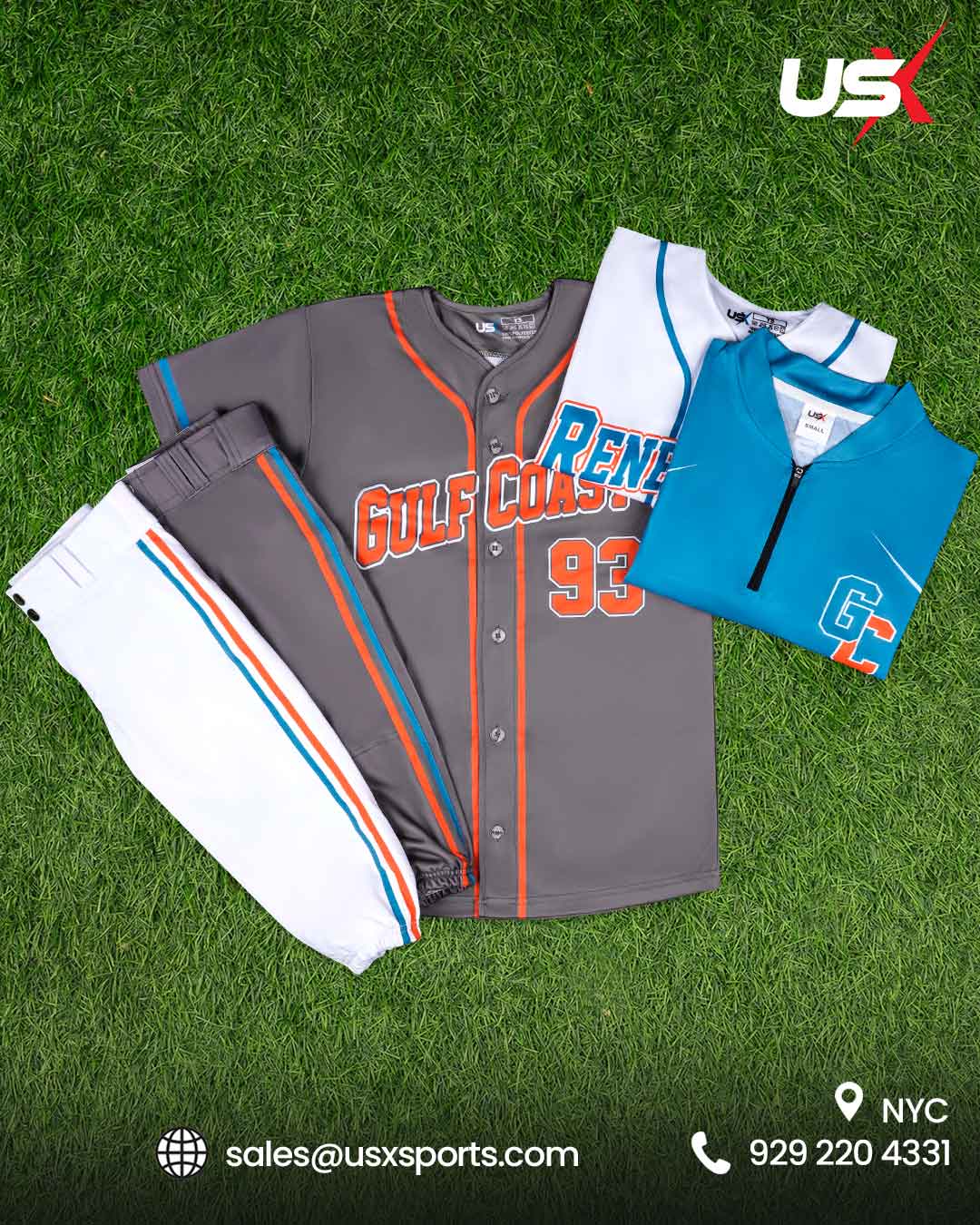
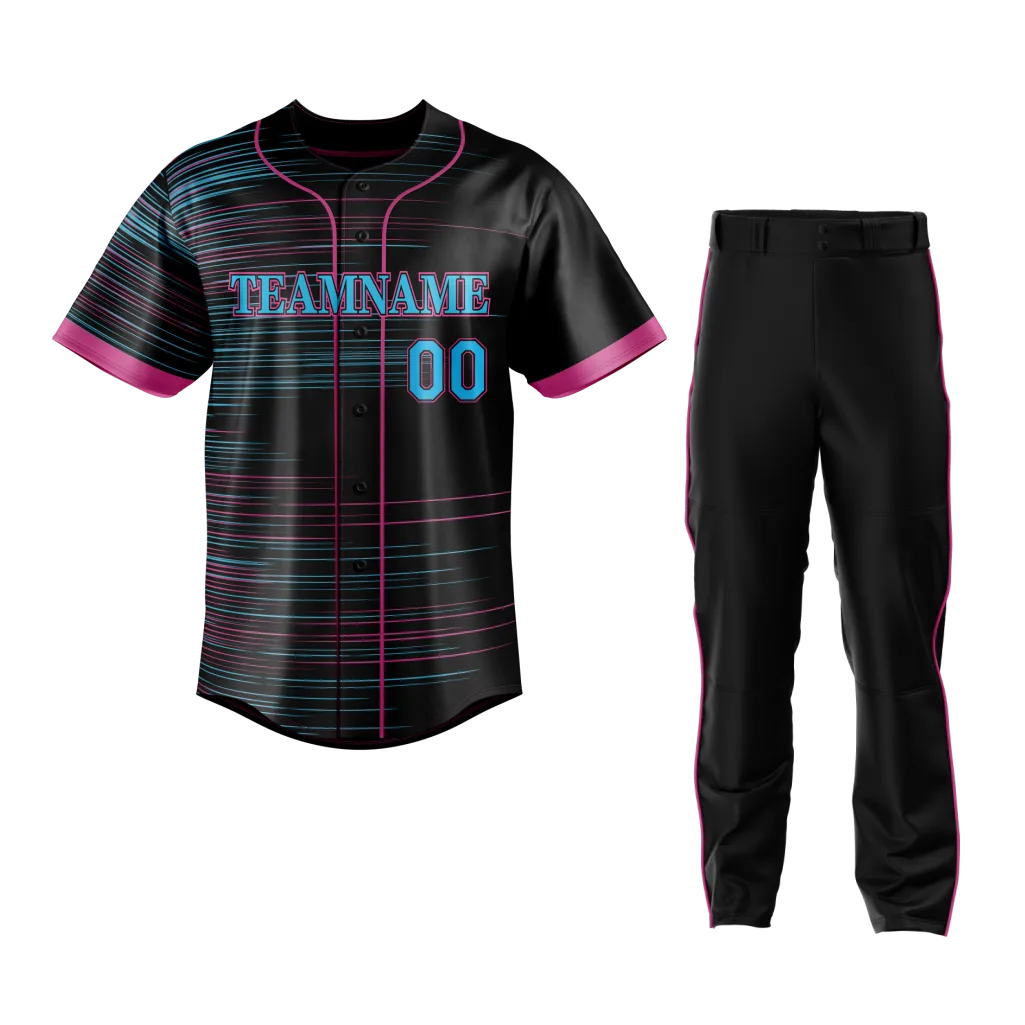
A baseball jersey might include a team logo, sleeve graphics, player name, number, contrasting collar, and specific lettering style.
If one detail is overlooked, the replacement may not match the original design.
Fabric Choices Matter
Two polyester jerseys can have different textures, weights, and appearances.
A replacement made from a different fabric may look or feel different even if the artwork is similar.
Production Colors Can Vary
Digital designs, fabric batches, and printing conditions can influence the appearance of finished garments.
Even when the same design is used, a perfect color match between separate production runs cannot always be assumed.
Player Sizes May Have Changed
Youth players can grow during the season.
A player who previously wore youth large pants may need a different size several months later.
Coach's Tip: Keep the original uniform specifications and final approved artwork together in one folder. This makes future reorders easier to discuss with your supplier.
2. Save Your Original Uniform Design and Order Information
The most effective way to prepare for a future reorder is to preserve accurate records from the first purchase.
Keep the Final Approved Mockup
Save the final front and back jersey designs, along with the approved pants and hat designs when applicable.
Make sure the files represent the version that was actually produced, not an earlier draft.
Record Fabric Information
Ask your supplier to identify the original fabric type and garment construction.
For example, record whether the jersey uses a particular polyester performance fabric or mesh construction.
For pants, note the fabric type and whether the design is knicker, full-length, or tapered.
Keep a Record of Team Colors
If your team uses specific brand colors, preserve any approved color references.
However, remember that screen colors and physical printed colors can differ.
Save Your Player Roster
Retain the original roster showing player names, numbers, jersey sizes, and pants sizes.
This makes it easier to identify which items need replacement.
Record the Original Order Reference
An invoice number, order number, or production reference may help your supplier locate previous specifications.
If the original supplier retains artwork or order records, provide the reference when requesting a reorder.
3. How to Reorder a Custom Baseball Jersey
When ordering a replacement jersey, begin by identifying the exact garment and personalization required.
Step 1: Confirm the Jersey Style
Was the original jersey a two-button, full button-down, crew-neck, or another style?
Confirm the neckline, sleeve length, and overall construction.
Step 2: Verify the Team Design
Review the logo, colors, lettering, numbers, and sleeve graphics.
Use the original approved artwork whenever possible.
Step 3: Confirm the Player Name and Number
Check spelling and number assignment against the current roster.
Do not rely on an old roster if players have changed numbers.
Step 4: Measure the Player Again
A replacement is an opportunity to confirm the current size.
Use the size chart for the exact jersey being reordered.
Step 5: Ask About Matching Expectations
Discuss whether the supplier can use the same fabric, design files, and color references.
If a close match is especially important, ask whether a physical sample or comparison is possible.
4. Reordering Baseball Pants: Why Fit Matters More Than the Size Label
Baseball pants can be particularly challenging to reorder because players have different fit preferences.
Two pants labeled adult medium may not have identical measurements if they use different patterns or styles.
Confirm the Pants Style
Identify whether the original pants were knicker, full-length, or tapered.
Changing the style can affect both appearance and fit.
Measure the Waist
Measure according to the supplier's instructions.
Do not assume that a player's everyday pants size automatically matches a custom baseball uniform size.
Check the Hip and Thigh Fit
Players need enough room to run, field, crouch, and slide comfortably.
Pants that fit at the waist may still feel restrictive through the hips or thighs.
Confirm the Inseam
Inseam measurement is particularly important for full-length and tapered pants.
Follow the supplier's measurement method, typically from the crotch seam to the bottom hem.
Compare With a Well-Fitting Pair
If a player already has baseball pants that fit comfortably, lay them flat and record the relevant measurements.
This can provide a useful reference when reviewing the supplier's size chart.
Important: When measuring a garment laid flat, confirm whether the supplier's chart shows one-sided widths or full circumferences. A flat waist width of 16 inches generally corresponds to an unstretched circumference of approximately 32 inches, but elastic construction and garment fit must also be considered.
5. How to Avoid Color Mismatches in Replacement Uniforms
Color consistency is one of the most important concerns when reordering custom team apparel.
A team may use a distinctive shade of teal, royal blue, red, or green.
If the replacement garment looks noticeably different, the uniform may not appear coordinated.
Use the Original Approved Color Reference
Avoid choosing colors from a screenshot alone.
Screens display colors differently, and image compression can alter their appearance.
Provide the original design files and approved color information when available.
Identify the Original Fabric
Colors may appear different on different fabrics.
A shade printed on one polyester material may not look identical on another.
Compare Physical Samples When Possible
For teams with strict color requirements, ask whether a physical color comparison can be arranged.
A finished jersey from the original order can be a useful reference.
Understand Production Variation
Even when a supplier follows the same specifications, minor differences may occur between production runs.
Discuss acceptable matching expectations before approving the replacement.
Review the Entire Uniform
Compare the replacement jersey with the existing pants, hats, and other garments.
A color that looks acceptable on its own may appear different when placed beside the original uniform.
6. Adding a New Player to an Existing Baseball Team
A new player may need more than one jersey.
Depending on the team's uniform package, the player might require home and away jerseys, pants, a hat, and other approved accessories.
Create a New Player Order Sheet
Include the player's name, jersey number, jersey size, pants size, and required quantities.
Confirm Number Availability
Check that the new player's number meets team and league requirements.
Identify Every Required Garment
Do not assume the new player needs only one jersey.
Review the complete team uniform package.
Verify Hat Sizing
If hats are part of the uniform, confirm the selected style and size.
Fitted, flexfit, and adjustable hats have different sizing considerations.
Confirm Production and Delivery Timing
Ask your supplier for a realistic completion estimate.
Do not assume that a small reorder will have the same timeline or unit cost as the original bulk order.
7. What If Only One Player Needs Replacement Pants?
Sometimes a player needs a new pair of pants while the rest of the uniform still fits.
Before ordering, identify why the original pair is unsuitable.
If the Pants Are Too Short
Confirm the current inseam and desired finished length.
If the Waist Is Too Tight
Review the waist measurement and consider whether a different size or cut is appropriate.
If the Pants Are Too Tight Through the Thighs
A larger waist size may not always solve the problem.
Ask about available fits and compare hip and thigh measurements.
If the Pants Are Damaged
Determine whether a replacement is necessary and whether the damage is related to normal wear, accidental damage, or a possible manufacturing issue.
If there may be a product defect, contact the supplier with photographs and the original order information.
If the Measurements Appear Incorrect
Measure the garment using the supplier's stated method.
Photographs showing the measuring tape and garment position can help communicate the issue.
Avoid comparing measurements taken using different methods.
8. Should Teams Order Extra Uniforms Before the Season?
Some organizations consider purchasing additional garments during the initial order.
This can be useful, but it also creates inventory and budget considerations.
Potential Advantages
Extra garments may help when players join late or need replacements.
They may also reduce the need for a separate production run.
Potential Disadvantages
Extra uniforms cost money and may remain unused.
Youth players also have different sizing needs, making it difficult to predict which sizes will be required.
A Practical Approach
Review your organization's history of late registrations and replacement requests.
If you frequently add players during the season, consider whether a small reserve of blank or approved garments is practical.
For personalized jerseys, remember that player names and numbers may prevent unused garments from being reassigned easily.
Ask your supplier which reserve-order options are available.
9. How to Organize Reorders for Multiple Baseball Teams
Travel baseball organizations often manage several age divisions.
For example, an organization might have separate 8U, 10U, 12U, and 14U teams.
Each team may have different colors, logos, or uniform styles.
Use a Master Reorder Spreadsheet
Create separate worksheets for each team.
Include the original order reference, player information, item description, size, quantity, and requested delivery date.
Keep Designs Clearly Labeled
Save artwork in folders named by team and season.
Avoid using vague filenames such as "final design" when multiple versions exist.
Assign One Reorder Coordinator
A designated representative can collect requests from coaches and parents.
This reduces conflicting instructions and duplicate orders.
Confirm Every Item Before Submission
Review the final reorder sheet against the approved artwork and current roster.
Track Outstanding Requests
Maintain a simple record showing which replacement items have been requested, approved, ordered, and received.
This is especially helpful when several teams need additional garments at different times.
10. How Long Do Custom Baseball Uniform Reorders Take?
Reorder timelines depend on several factors.
These may include garment availability, artwork requirements, production scheduling, order quantity, and shipping arrangements.
Existing Artwork May Help
Having the original approved design available can reduce the need to recreate artwork.
However, it does not eliminate production or shipping time.
Small Orders May Have Different Requirements
A single replacement jersey may have different production economics or minimum-order requirements from a large team order.
Ask your supplier for a quotation based on the exact quantity.
Shipping Still Matters
Production completion does not necessarily mean the garment has arrived.
Allow time for shipping and distribution.
Plan Around Tournament Dates
If a replacement is needed for an upcoming event, communicate the exact required delivery date before approving the order.
Ask whether the proposed schedule is realistic.
11. Common Baseball Uniform Reorder Mistakes
Using an Old Size Without Remeasuring
Youth players grow, and fit preferences can change.
Forgetting the Original Fabric
Different materials may affect appearance and comfort.
Approving Colors Only From Screenshots
Digital colors are not always reliable references for physical production.
Ordering the Wrong Pants Style
Knicker, full-length, and tapered pants have different constructions.
Forgetting About Hats or Additional Jerseys
Review the original package before placing the reorder.
Submitting Incomplete Player Information
Missing numbers, sizes, or names can delay order confirmation.
Assuming Reorders Have the Same Price or Timeline
Confirm the current quotation and estimated delivery schedule.
12. Custom Baseball Uniform Reorder Checklist
Before submitting a replacement order, confirm:
- The original team and season are identified.
- The original order reference is available.
- Final approved artwork has been provided.
- The jersey style and fabric are confirmed.
- Team colors and decoration details are reviewed.
- Player names and numbers are accurate.
- Jersey sizes have been checked again.
- Pants style, waist, and inseam are confirmed.
- Hat style and size are included if needed.
- All required quantities are correct.
- Production and shipping estimates have been discussed.
- The delivery date works with the team's schedule.
Frequently Asked Questions About Baseball Uniform Reorders
Can I reorder just one custom baseball jersey?
Some suppliers accommodate single-item reorders, while others have minimum quantities or different pricing for small orders. Confirm the available options before ordering.
Will a replacement jersey match the original exactly?
A supplier may be able to reproduce the original specifications, but minor differences in color, fabric, or production can occur. Discuss matching expectations beforehand.
Should I use the same size as the original order?
Not automatically. Remeasure the player and compare the results with the current size chart.
Can I reorder baseball pants without buying another jersey?
Many custom uniform suppliers offer individual garment options. Confirm availability, pricing, and minimum quantities.
What information should I provide for a new player?
Provide the team name, original order reference, player name, jersey number, garment sizes, quantities, and any special requirements.
Can I change a player's number when reordering?
Player-number changes may be possible, but they require the correct updated artwork and personalization details. Check team and league requirements.
How early should I request replacement uniforms?
Contact your supplier as soon as the need is identified. Confirm the production and shipping estimate before relying on a specific delivery date.
Final Thoughts: Keep Your Baseball Team Looking Consistent All Season
Custom baseball uniform reorders are easier when teams maintain accurate records and communicate clear requirements.
The most important details are the original artwork, fabric specifications, player measurements, team colors, and current roster information.
Whether you're adding a new player, replacing damaged pants, or ordering another jersey before a tournament, careful preparation can reduce mistakes.
A consistent reorder process also makes it easier for organizations managing multiple teams to maintain their visual identity throughout the season.
Need Replacement Baseball Uniforms? Contact USX Sports
Looking to reorder custom baseball jerseys, pants, or other team apparel?
USX Sports provides custom baseball uniforms and sports apparel for youth teams, travel organizations, schools, and leagues.
Our team can help you review existing uniform specifications, prepare replacement garment details, and discuss available customization and ordering options.
Whether you need additional uniforms for new players or are planning your next full team order, contact USX Sports to discuss your requirements and request a quote.