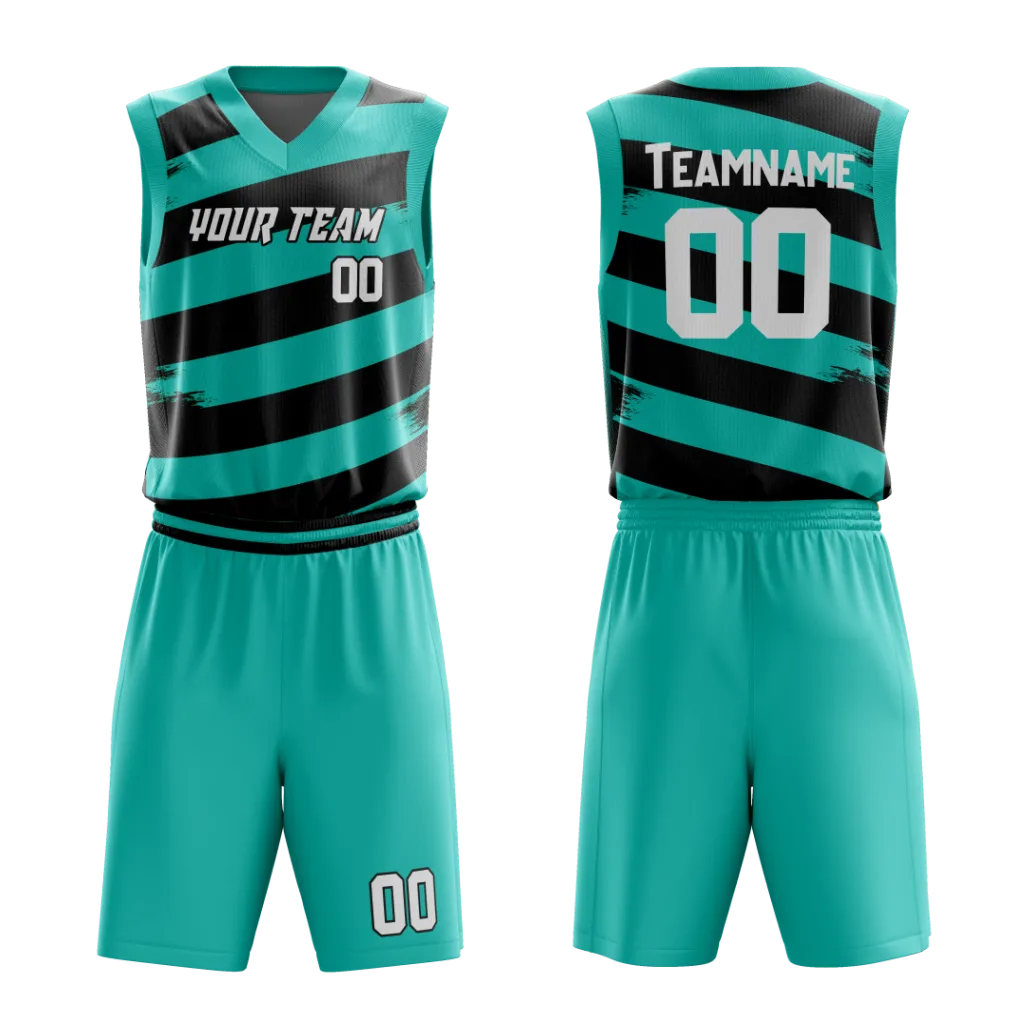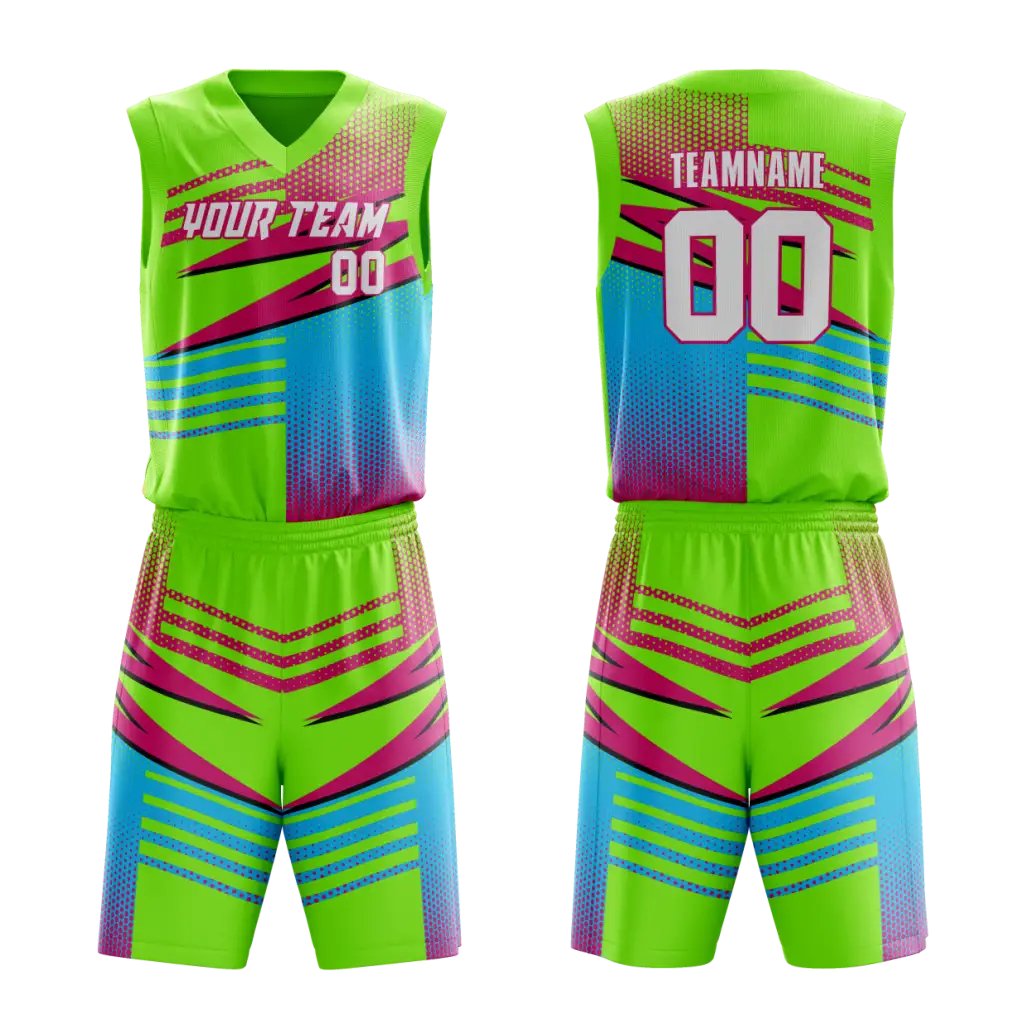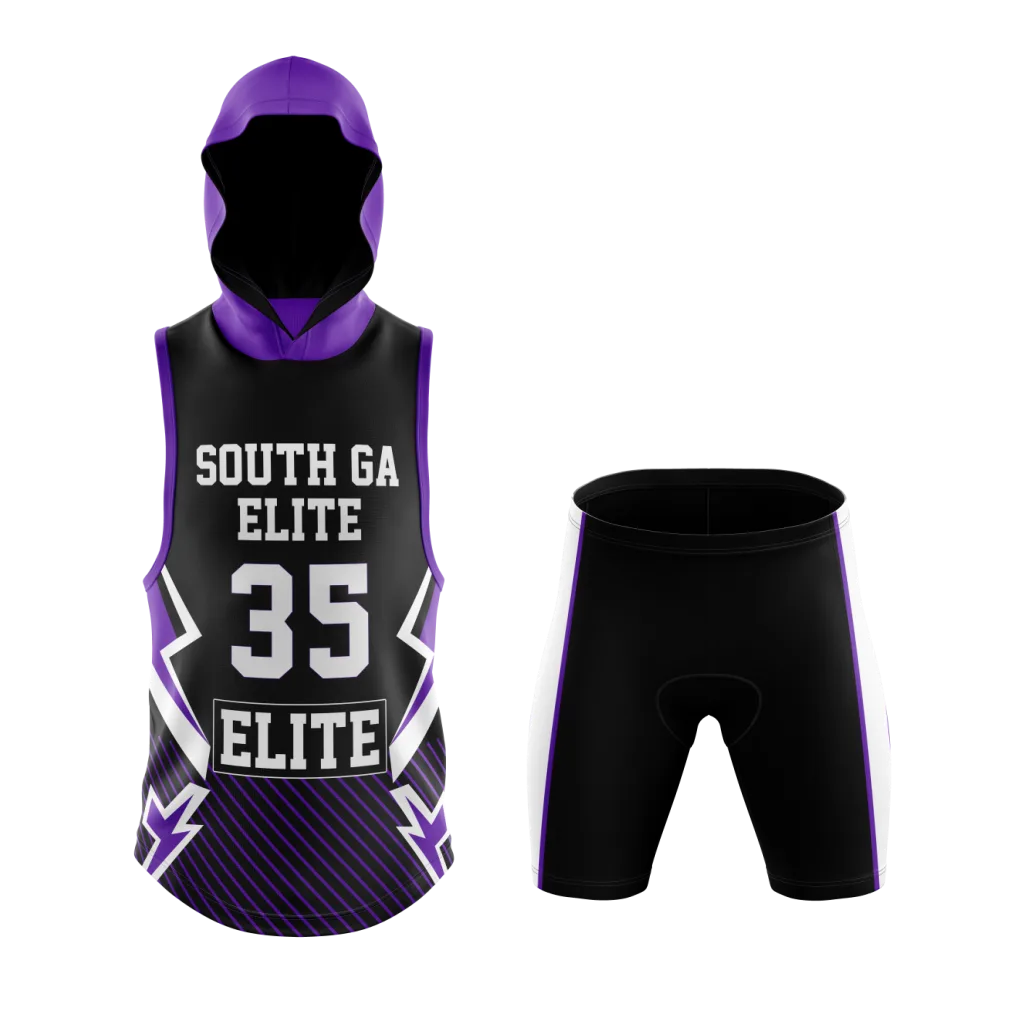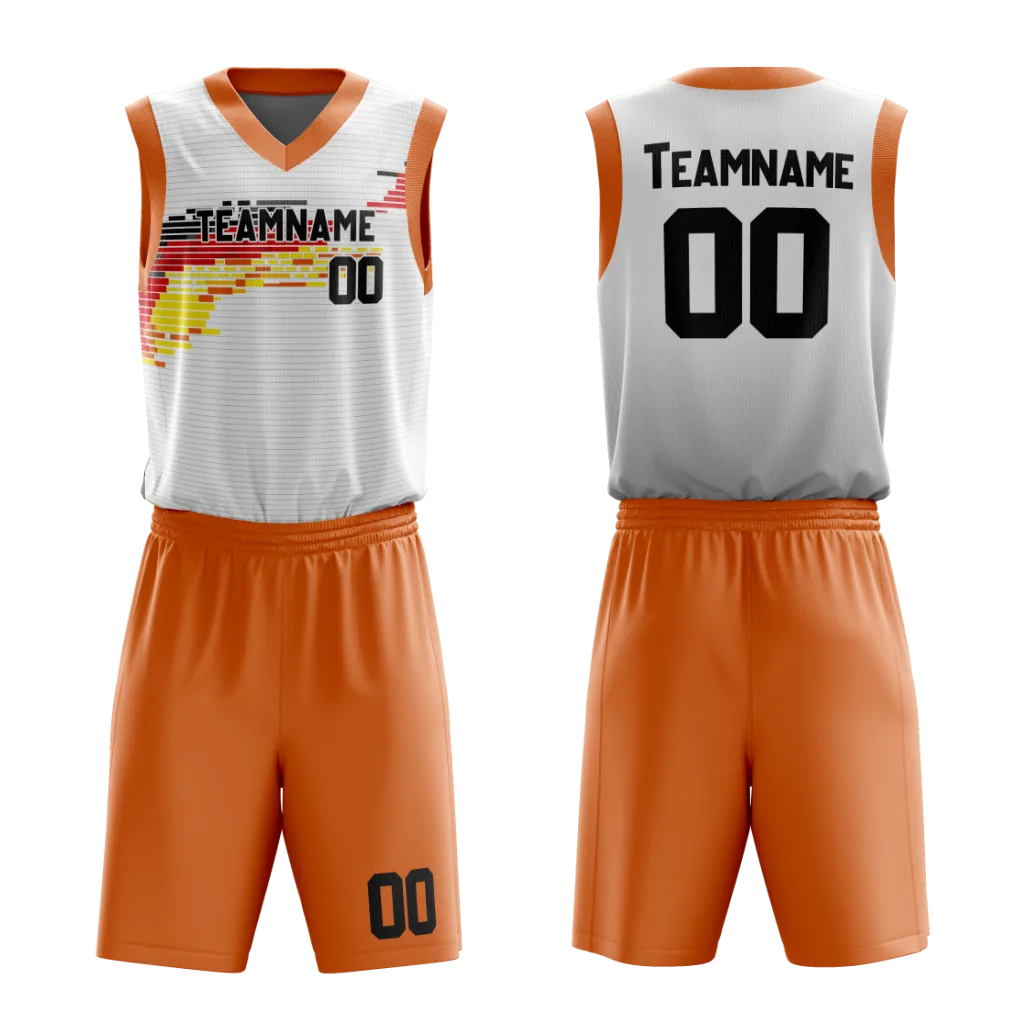
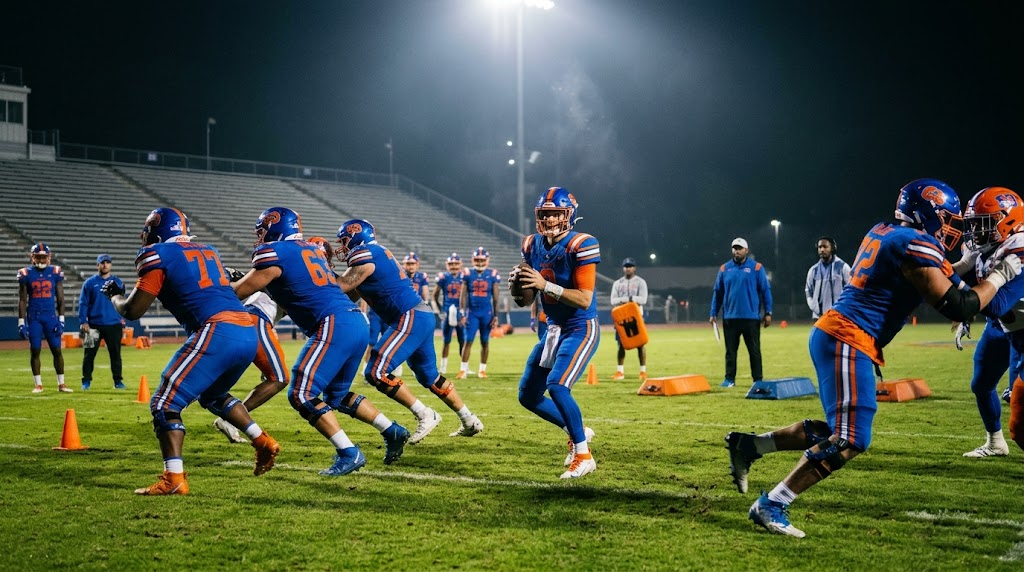
Football uniforms are an important part of every team's identity.
From youth recreational leagues to competitive school programs, a well-designed uniform helps create a recognizable appearance while allowing players to perform comfortably.
However, ordering custom football uniforms involves more than choosing team colors and adding player numbers.
Tackle football uniforms must accommodate protective equipment, withstand regular athletic activity, and meet the requirements of the team's league or governing organization.
Coaches and equipment managers also need to consider jersey construction, football pants, fabric performance, player sizing, and delivery timelines.
Making the right decisions before ordering can help reduce unnecessary complications later in the season.
This guide explains how to choose custom tackle football jerseys, football pants, and matching team apparel while avoiding common ordering mistakes.
1. What Should a Complete Tackle Football Uniform Include?
Before selecting a design, determine exactly which garments your team needs.
A typical tackle football uniform includes a jersey and football pants.
Players also require protective equipment, such as helmets and shoulder pads, along with other items specified by their league.
However, protective equipment is not necessarily included in a custom uniform package.
Always confirm exactly what the supplier is providing.
Custom Football Jerseys
The jersey is the most visible part of the uniform.
It typically displays the team's colors, player number, and other approved branding elements.
Tackle football jerseys must accommodate shoulder pads while allowing players to move comfortably.
The garment's cut and construction are particularly important.
Football Pants
Football pants should provide an appropriate fit while accommodating the protective padding required for competition.
Different styles are available, including traditional pants designed for separate pads and integrated football pants.
The best option depends on the team's equipment preferences and league requirements.
Socks and Accessories
Matching socks and other approved accessories can help complete the team's appearance.
Some leagues have specific requirements for uniform accessories.
Review those requirements before placing an order.
Optional Team Apparel
Many football programs also purchase matching apparel for practices, travel, and team activities.
Depending on the organization's needs, these items may include practice jerseys, hoodies, warmup apparel, and athletic bags.
Coach's Tip: Request an itemized quotation that clearly identifies the jersey, pants, and any additional garments included in the package.
2. What Makes Tackle Football Jerseys Different?
Tackle football jerseys have different construction requirements from ordinary athletic shirts.
Players wear shoulder pads beneath their jerseys, which affects the required fit.
Shoulder-Pad Compatibility
A tackle football jersey must fit over the player's shoulder pads.
The jersey should provide enough room for the equipment without becoming excessively loose.
A garment that fits comfortably without pads may be too tight once the player is fully equipped.
When selecting a size, consider both the player's body measurements and the equipment they will wear.
Freedom of Movement
Football players need to run, block, tackle, throw, and catch.
Jerseys should allow natural arm and shoulder movement.
The sleeves, shoulders, and underarm areas should not create unnecessary restriction.
Secure Fit
A properly fitted jersey should remain comfortable during athletic activity.
Excessively loose fabric can become distracting, while an overly tight garment may restrict movement.
The ideal fit depends on the player's position, equipment, and garment construction.
Durable Construction
Football jerseys experience frequent movement and physical contact.
Look for suitable fabric construction, secure stitching, and customization methods appropriate for the garment.
Ask your supplier about the jersey's intended use and recommended care instructions.
3. Integrated Football Pants vs. Traditional Football Pants
One of the most important decisions when ordering tackle football uniforms is choosing the right pants.
Football pants are available in different constructions.
Understanding these options can help teams select the most suitable style.
What Are Integrated Football Pants?
Integrated football pants feature built-in protective padding.
Depending on the design, padding may be incorporated into areas such as the hips, thighs, knees, and tailbone.
This construction can simplify equipment preparation because players do not need to insert certain separate pads before each game.
However, integrated pants vary by manufacturer and model.
Coaches should verify exactly which protective pads are included.
Benefits of Integrated Football Pants
Integrated pants can offer several practical advantages.
They may simplify uniform preparation, help keep included pads positioned within the garment, and reduce the need to manage certain separate padding components.
For youth football programs, this can make equipment organization more convenient.
However, integrated padding does not automatically mean that every protective-equipment requirement has been satisfied.
Traditional Football Pants
Traditional football pants may use pockets or other constructions designed to accommodate separate protective pads.
Some teams prefer this approach because individual pads can be selected or replaced separately.
The appropriate option depends on the team's equipment system and player preferences.
Which Football Pants Should Your Team Choose?
Consider the age group, equipment requirements, budget, and preferred garment construction.
If choosing integrated pants, confirm the padding locations, materials, and applicable equipment requirements.
Important: Follow your league's current rules regarding protective equipment. Uniform pants should never be treated as a substitute for required protective gear unless the specific equipment meets the applicable requirements.
4. Choosing the Best Fabric for Custom Football Uniforms
Fabric selection affects comfort, fit, durability, and appearance.
Tackle football uniforms require materials appropriate for regular athletic activity and contact.
Polyester Performance Fabrics
Polyester is commonly used in football uniforms because it can provide durability, shape retention, and moisture-management properties.
However, polyester fabrics vary considerably.
Fabric weight, knit construction, stretch, and finishing all influence performance.
Polyester-Spandex Blends
Some football garments incorporate spandex for additional stretch.
This can help the fabric accommodate movement and fit around protective equipment.
The appropriate amount of stretch depends on the garment's construction and intended fit.
Mesh Football Jerseys
Mesh fabrics feature an open construction that can improve airflow.
Some football jerseys use mesh panels or other ventilated materials.
However, mesh fabrics differ in durability, weight, and texture.
Ask your supplier whether the selected fabric is suitable for tackle football.
Fabric Weight and Durability
A heavier fabric is not automatically more durable.
The quality of the yarn, knit structure, stitching, and garment construction also matters.
For football uniforms, the goal is to balance comfort with appropriate durability.
Moisture Management
Football players can generate considerable heat during practices and games.
Moisture-management fabrics are designed to help move perspiration away from the skin.
However, performance apparel does not eliminate the risks associated with exercising in hot weather.
Coaches should continue following appropriate hydration, rest, and heat-safety practices.
5. Sublimated Football Jerseys vs. Traditional Decoration
Customization helps teams create a recognizable appearance.
Two common approaches are sublimation printing and traditional decoration methods.
Sublimation printing allows detailed graphics and multiple colors to be incorporated into compatible polyester fabrics.
This makes it useful for teams interested in complex designs.
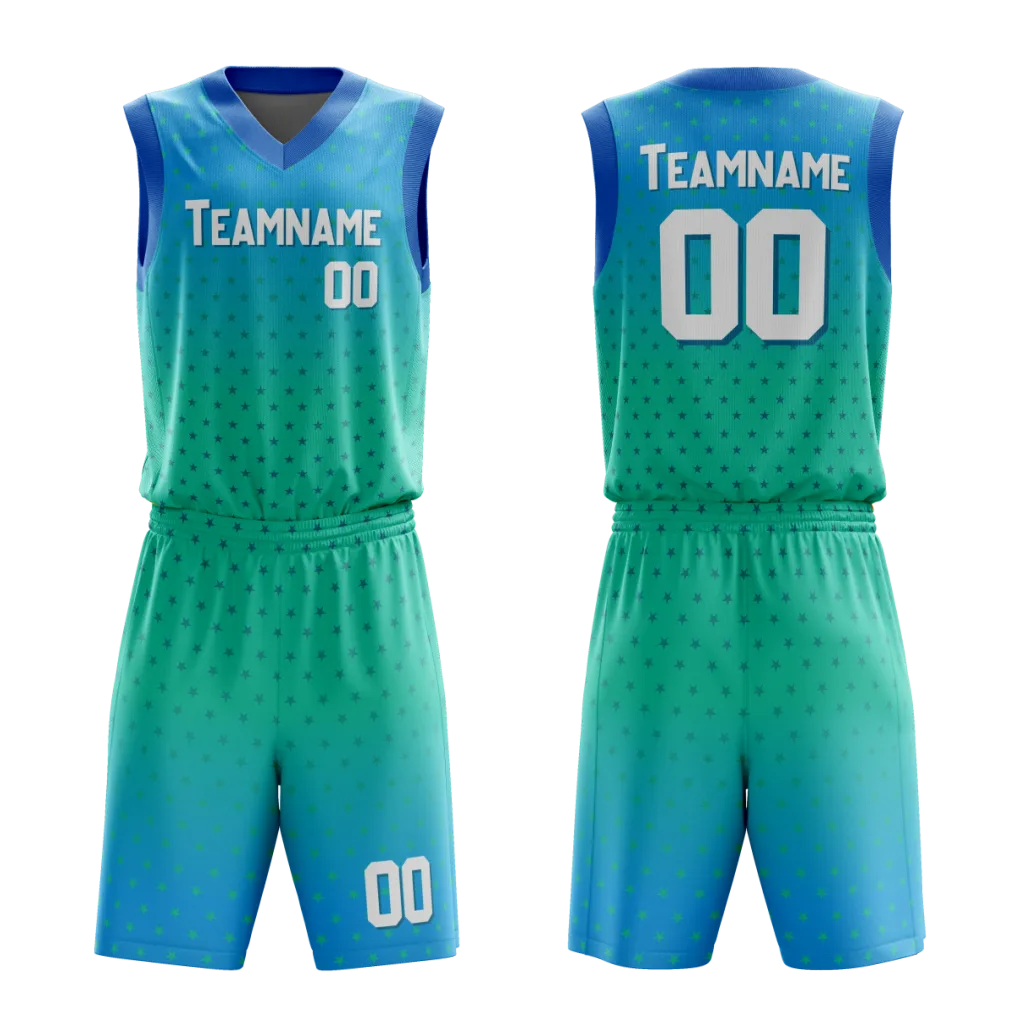
For example, a football jersey might feature a gradient background, custom sleeve graphics, and coordinated team colors.
Properly sublimated graphics become part of the fabric's coloration rather than forming a separate raised print layer.
However, overall garment durability still depends on fabric quality, stitching, construction, and care.
Screen-Printed Football Jerseys
Screen printing applies ink to the garment.
It can be suitable for certain designs, particularly those featuring simpler graphics.
The appropriate printing method depends on the fabric, artwork, and desired appearance.
Tackle Twill Football Jerseys
Tackle twill uses fabric lettering or numbers that are attached to the jersey, commonly through stitching.
This method can provide a traditional, textured appearance.
Some football programs prefer tackle twill for its classic uniform style.
However, it may involve different production considerations from sublimation.
Which Customization Method Is Better?
The best choice depends on your team's preferences and budget.
Sublimation can be useful for detailed multicolor designs.
Screen printing may suit simpler graphics.
Tackle twill can provide a traditional stitched appearance.
Ask your supplier which methods are appropriate for the selected jersey fabric and construction.
6. How to Design Football Uniforms That Look Professional
A successful football uniform should be recognizable, coordinated, and easy to read.
The design should reflect the team's identity while supporting clear player identification.
Start With Your Team Colors
Choose a primary color, secondary color, and optional accent color.
For example, a team with navy blue and gold branding could use a navy jersey with gold numbers and white accents.
A red and black team might select a red jersey with black shoulder graphics.
Keeping the color palette consistent helps establish a recognizable identity.
Make Player Numbers Easy to Read
Player numbers are essential for identification.
Choose numbers that contrast clearly with the jersey background.
Avoid complicated patterns that reduce readability.
Before approving artwork, confirm your league's requirements for number size, placement, and permitted styles.
Include Your Team Logo
Your team's logo helps create a recognizable appearance.
Provide high-resolution artwork or vector files whenever possible.
This helps the supplier prepare accurate graphics.
Consider Player Names
Some football teams include player surnames on the back of their jerseys.
Others use numbers only.
Before deciding, consider league requirements, team preferences, and organizational policies.
For youth programs, review whether displaying player names is appropriate under the organization's privacy guidelines.
Coordinate Jerseys and Pants
Review the complete uniform rather than designing each garment separately.
Make sure the jersey colors, pants, and accessories work together.
For teams ordering home and away jerseys, maintain consistent branding across both designs.
7. How to Choose the Correct Football Uniform Sizes
Sizing is particularly important for tackle football because jerseys must accommodate protective equipment.
Players of the same age may have different body measurements and equipment needs.
Measure Jerseys With Shoulder Pads in Mind
When selecting a jersey, consider the player's chest measurements and the space required for shoulder pads.
The jersey should fit comfortably over the equipment.
It should not restrict arm movement or become excessively tight around the shoulders.
Measure Football Pants Separately
For pants, review waist measurements, hip measurements, inseam, and garment construction.
Players may need different sizes for jerseys and pants.
Understand Flat Garment Measurements
Some suppliers provide size charts using measurements taken from garments laid flat.
For example, a jersey measuring 22 inches across the chest has an approximate garment circumference of 44 inches.
However, that does not mean the jersey is automatically suitable for someone with a 44-inch chest.
Additional room may be needed for shoulder pads and comfortable movement.
Always follow the supplier's sizing instructions.
Avoid Ordering Based Only on Age
Two players competing in the same age division may require different sizes.
Collect individual measurements rather than assigning sizes based on age.
For larger teams, size kits can help players compare sample garments before ordering.
Ideally, players should evaluate tackle football jersey fit while wearing their usual shoulder pads.
USX Sports provides a uniform size-kit request page.
Teams should confirm the availability of football-specific sample garments before arranging fittings.
8. Home and Away Football Uniforms: Does Your Team Need Both?
Many football programs use separate home and away uniforms.
However, the requirements depend on the governing organization.
Home Football Uniforms
Home uniforms commonly feature a team's primary colors.
For example, a team with royal blue and white branding might select a royal blue jersey with white numbers.
Away Football Uniforms
Away uniforms provide an alternative color scheme.
A team with a dark home jersey may choose white or another light color for its away design.
The goal is to help distinguish opposing teams.
Check Your League's Requirements
Do not assume every football league follows identical home and away color rules.
Some organizations have specific requirements regarding jersey colors and number contrast.
Before ordering, confirm the applicable rules.
Consider the Budget
If your team is considering two complete uniforms, review whether separate pants are necessary.
Some programs may be able to use the same pants with different jerseys, depending on their uniform rules and preferences.
This can help teams avoid purchasing unnecessary garments.
9. Ordering Football Uniforms for an Entire League
Purchasing uniforms for one team requires organization.
Ordering for an entire football league can be more complicated.
A league may include several age divisions, multiple teams, different player sizes, and separate uniform designs.
Create a Master Uniform Spreadsheet
Organize all player information in one document.
Include the team name, age division, player name, jersey number, jersey size, pants size, and special requirements.
If ordering home and away jerseys, clearly identify the required quantity for each player.
Verify Player Numbers
Ask each coach to review the final roster.
Check for duplicate numbers and confirm compliance with league rules.
Maintain Consistent Club Branding
For organizations with multiple teams, consider using consistent colors, logos, and design elements.
This helps establish a recognizable identity across age divisions.
Assign One Order Coordinator
Choose one representative to collect information and communicate with the supplier.
This reduces the risk of conflicting instructions from multiple coaches or parents.
Review Each Team Separately
Before approving production, verify each team's roster, sizes, colors, and artwork.
A final approval checklist can help prevent avoidable mistakes.
10. When Should You Order Custom Football Uniforms?
Custom football uniforms require time for design preparation, order confirmation, production, and shipping.
The timeline depends on the number of garments, selected materials, customization requirements, and delivery arrangements.
Start Planning Before the Season
Begin planning well before your first scheduled game.
This provides time to collect measurements, finalize artwork, and confirm quantities.
Allow Time for Design Revisions
Custom artwork may require adjustments.
Complete all revisions before approving production.
Confirm Production and Delivery Timing
Ask your supplier for an estimated completion date based on your specific order.
Do not assume every uniform style has the same production timeline.
Plan for Delivery and Distribution
Uniforms should ideally arrive before the first game.
Allow time to distribute garments and check for potential issues.
Consider Late Roster Changes
Football rosters may change as teams prepare for the season.
Ask your supplier about reorder options and minimum quantities.
Do not assume additional uniforms can be produced and delivered immediately.
11. How to Budget for Custom Football Uniforms
Uniform costs depend on several factors.
These include garment styles, fabric construction, customization requirements, order quantity, and shipping arrangements.
Instead of comparing suppliers based only on the advertised jersey price, review the complete package.
Understand What's Included
A tackle football uniform package may include a jersey and pants.
Protective equipment and optional apparel may be sold separately.
Confirm exactly what is included in the quotation.
Compare the Total Cost
Ask whether the quotation includes customization, shipping, and any additional charges.
This helps avoid unexpected expenses.
Consider Optional Team Apparel
Matching apparel can help create a coordinated appearance during practices, travel, and team activities.
Depending on the team's needs, optional items may include practice jerseys, hoodies, warmups, and athletic bags.
Plan for Future Orders
If your organization expects to add players or teams, ask about reorder options.
Keeping approved artwork and accurate roster records can simplify future purchases.
12. Common Mistakes to Avoid When Ordering Football Uniforms
Even experienced coaches can overlook important details.
Ordering Jerseys Without Considering Shoulder Pads
Tackle football jerseys must accommodate protective equipment.
Use appropriate sizing instructions and consider sample fittings.
Choosing Pants Without Confirming Padding
Integrated football pants vary in construction.
Confirm which pads are included and whether the equipment meets league requirements.
Ignoring League Uniform Rules
Different organizations may have specific requirements.
Verify them before finalizing designs.
Making Numbers Difficult to Read
Complicated graphics can reduce number visibility.
Choose contrasting colors and clear number styles.
Submitting Multiple Roster Versions
Several updated spreadsheets can create confusion.
Use one clearly labeled final roster.
Waiting Until the Last Minute
Late orders can limit available options.
Begin planning early enough to allow for artwork approval, production, and shipping.
13. Custom Football Uniform Ordering Checklist before placing your order, confirm the following:
- The total number of players and teams is accurate.
- League uniform requirements have been reviewed.
- Jersey styles and colors are finalized.
- Player names and numbers are correct.
- Jersey sizes account for shoulder pads.
- Football pants styles and padding requirements are confirmed.
- Team logos and artwork are approved.
- Fabric and customization methods are understood.
- Optional apparel requirements are identified.
- Production and shipping timelines have been discussed.
- The expected delivery date is suitable for the season schedule.
Following these steps can help make the ordering process more organized.
Frequently Asked Questions About Custom Football Uniforms
What is included in a custom tackle football uniform?
A typical tackle football uniform includes a jersey and football pants. Protective equipment and additional accessories may be sold separately. Always confirm the exact package contents.
What is the best fabric for tackle football jerseys?
Polyester performance fabrics and polyester-spandex blends are commonly used. The best choice depends on garment construction, durability, stretch, and compatibility with protective equipment.
What are integrated football pants?
Integrated football pants feature built-in protective padding. The specific pads included vary by product, so teams should verify the construction and applicable equipment requirements.
Are sublimated football jerseys durable?
Properly sublimated graphics become part of compatible fabric rather than forming a separate surface layer. Overall garment durability still depends on fabric quality, stitching, construction, and care.
How should tackle football jerseys fit?
Tackle football jerseys should fit comfortably over shoulder pads while allowing natural arm movement. Players should follow the supplier's sizing instructions and consider trying sample garments with their equipment.
Do youth football teams need home and away uniforms?
This depends on the league's requirements. Some programs need separate color options, while others may operate with one primary jersey.
How early should teams order custom football uniforms?
Begin planning several weeks before the uniforms are needed. Allow time for design approval, sizing, production, shipping, and distribution.
Final Thoughts: Choose Custom Football Uniforms With Confidence
The right tackle football uniform combines team identity, comfortable movement, appropriate sizing, and practical construction.
Whether you're outfitting a youth recreational team, school program, competitive organization, or entire football league, careful planning can make the ordering process easier.
Focus on suitable fabrics, accurate measurements, shoulder-pad compatibility, football pants construction, and league requirements.
Most importantly, finalize your roster and artwork early enough to avoid unnecessary pressure before the season begins.
A well-organized uniform order helps coaches and team managers spend less time dealing with apparel concerns and more time preparing their players for competition.
Design Your Custom Football Uniforms With USX Sports
Looking for custom tackle football uniforms that represent your team's identity?
USX Sports offers custom sports uniforms and team apparel for schools, clubs, leagues, and athletic organizations.
Our team can help you explore jersey styles, football pants options, team colors, logos, player numbers, and other customization requirements.
Whether you're ordering for a youth football team or coordinating uniforms for multiple age divisions, we can help you prepare your design and order details.
Ready to create your team's next football uniforms?
Visit USX Sports to explore custom uniform options and request assistance with your next team order.